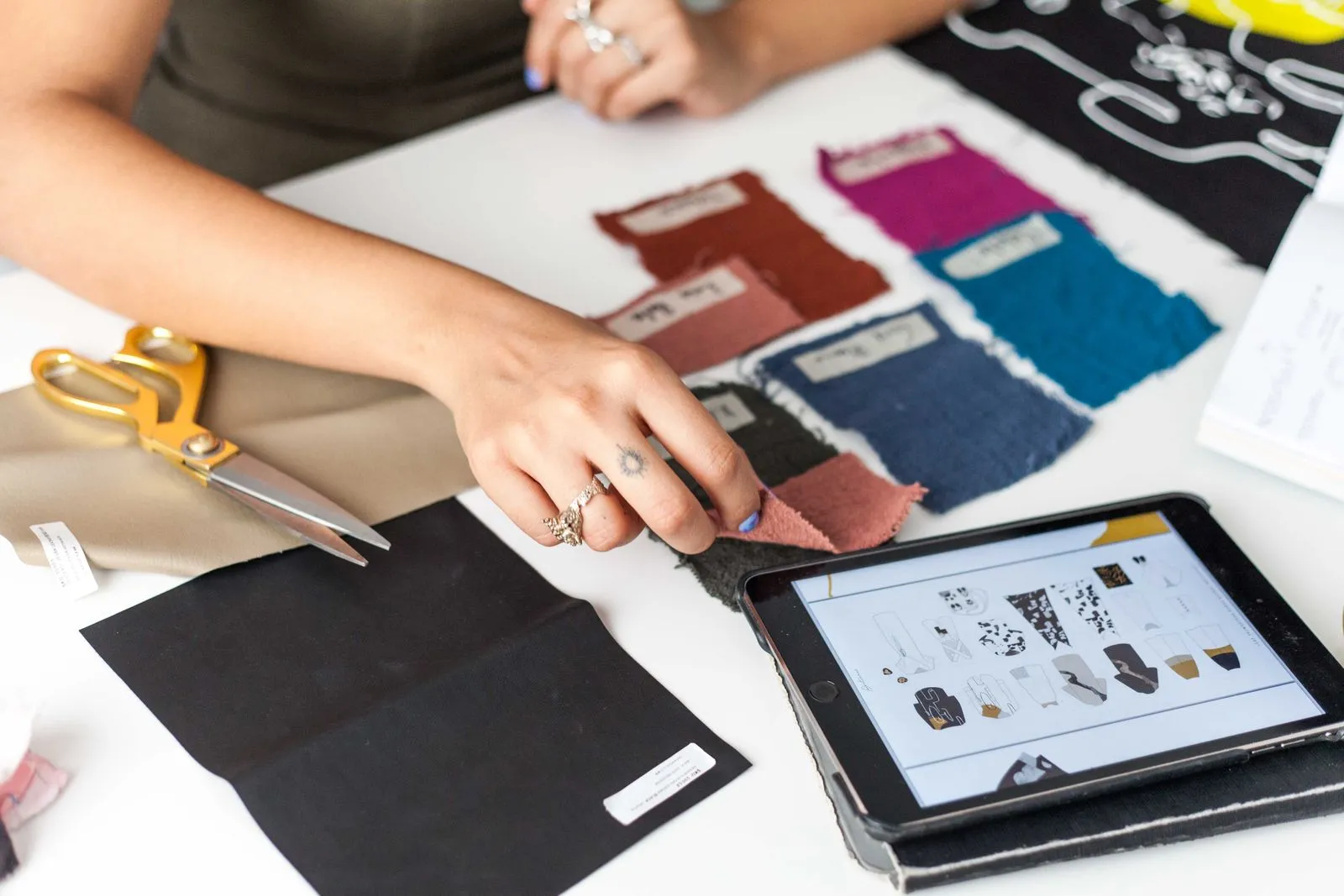
A fabric label can tell you more than whether a yoga top feels soft in the fitting room. Fiber content, fabric construction, and care instructions all affect stretch, breathability, drying time, and how a garment holds up. Sustainable options include natural fibers, recycled synthetics, and blends that combine their qualities. Compare those details with how you practice and do laundry. The best choice is not one material for everyone; it is a fabric that fits your movement, comfort, and care habits.
Know the Common Blends
Cotton feels soft and breathable, but it can absorb sweat and take longer to dry. A cotton-and-elastane blend adds stretch and helps a garment move with you. It may suit gentle classes or everyday layering, though it can feel heavier during a heated or high-sweat practice.
Recycled polyester or nylon is often blended with elastane for stretch and shape recovery. These fabrics tend to dry faster than cotton and can work well for vigorous sessions. Recycled content describes the source of some or all of the synthetic fiber; it does not tell you how breathable, durable, or comfortable the finished garment will be.
Read Beyond the Fiber Name
Check the label for each fiber and its percentage. A blend might pair recycled nylon with elastane, or cotton with elastane. The proportions help you compare garments, but they do not guarantee performance: knit structure, fabric weight, and finishing also affect opacity, compression, and stretch. If a product page makes a sustainability claim, look for specific details about which fibers are recycled or certified.
Look for care instructions and any information about fabric construction. A tightly knitted material may feel more supportive, while a lighter knit may feel cooler but offer less coverage. If the label or product description leaves out fiber percentages or care guidance, ask the retailer before buying. Avoid treating broad terms such as “eco” or “natural” as a substitute for clear material details.
Match Material to Your Practice
For a sweaty flow, consider a quick-drying synthetic blend and check whether the garment feels comfortable against your skin. For restorative yoga or low-impact wear, cotton-rich fabric may feel appealing if you do not mind slower drying. If you want a balance, compare blends in person: bend, squat, and reach to see whether the fabric stays opaque and moves without pinching or slipping.
Pay attention to seams, waistbands, and lining as well as the main fabric. A supportive blend can still feel restrictive if the cut does not suit your body or preferred range of motion. When shopping online, review the fit notes and return policy, then compare the garment’s stated fiber content with pieces you already know you enjoy wearing.
Choose Care You Can Maintain
Follow the care label first. Many activewear pieces benefit from a cool wash with mild detergent and a gentle cycle, but the garment’s instructions take priority. Skip fabric softener if the care guidance advises against it; residue can affect how technical fabrics manage moisture. Wash similar items together and turn garments inside out to reduce friction from zippers or rough surfaces.
Air-drying can help limit heat exposure and extend wear between replacements. If a piece needs machine drying, use only the setting allowed by its label. For synthetic garments, a washing bag can help contain fibers released during washing, though it does not eliminate them. A practical fabric choice is one you like wearing and can care for properly.
Compare fiber percentages, fabric feel, construction, and care instructions together rather than relying on a sustainability label alone. Consider your practice and laundry routine, then test fit and movement when possible. Grounded Thread can help you review fabric details and find yoga wear suited to how you move.